Common Mistakes to Avoid in Pallet Liquidation: A Beginner's Guide
In the field of pallet liquidation, beginners often face several obstacles that can impede their success. Many newcomers fail to consider essential elements such as thorough market research and proper pallet evaluation. Additionally, they may fail to account for unexpected expenses and the value of building connections. Each of these missteps can significantly affect profitability. Understanding these common mistakes is essential for those seeking to navigate this intricate landscape effectively. What methods can help secure a more profitable beginning in pallet liquidation?
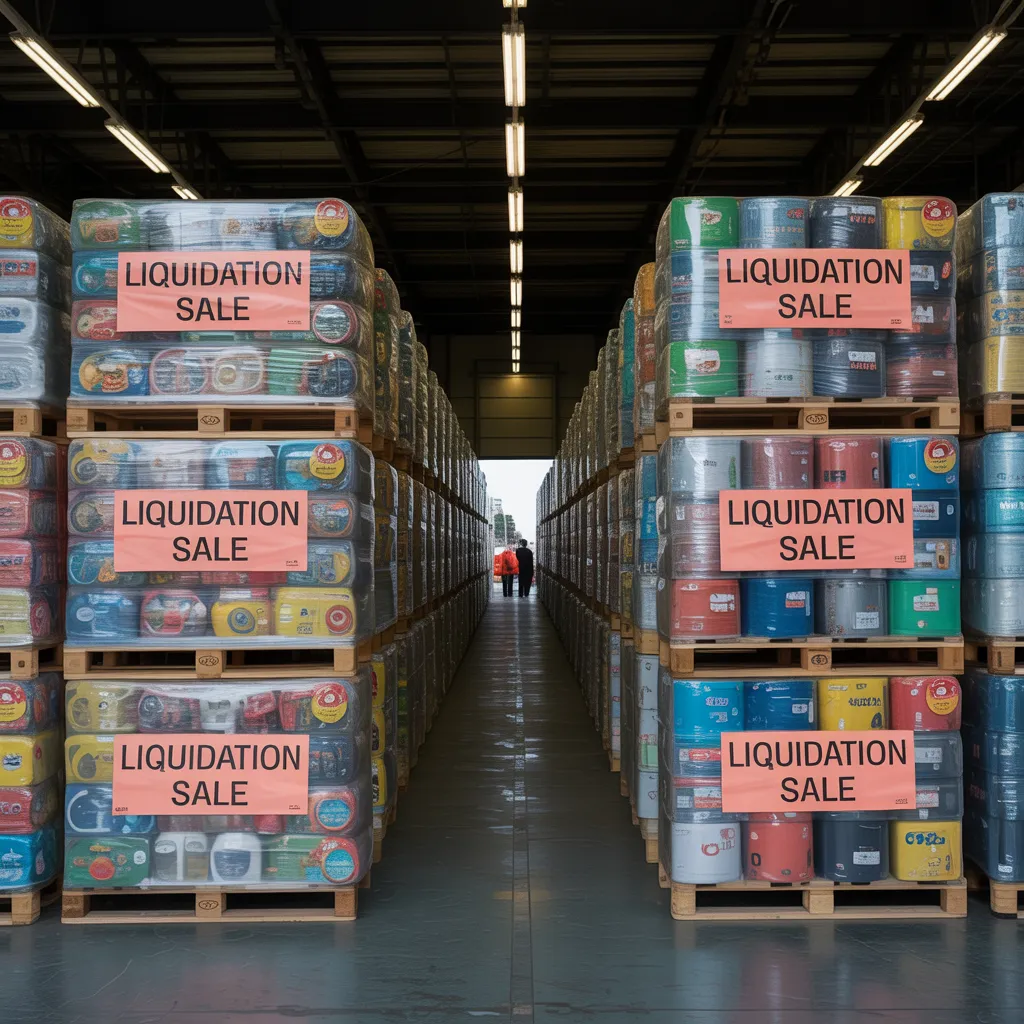
How to Avoid Misjudging Pallet Quality in Liquidation
In the field of pallet liquidation, evaluating quality is essential. Inexperienced buyers commonly misjudge pallet conditions, which can cause substantial monetary setbacks. Recognizing the difference between recoverable and unrecoverable items is crucial. A number of buyers frequently disregard surface-level damages, believing that slight deterioration has no impact on total worth. Nevertheless, concealed flaws may lead to unexpected expenses during resale or removal.
Furthermore, depending entirely on visual inspections can be misleading. It is advisable to copyrightine product descriptions in detail and, where feasible, copyrightine pallets directly. This strategy proves useful in recognizing underlying problems that are not always visible. Moreover, being aware of consumer demand for certain goods assists in projecting anticipated gains. Through conducting a rigorous appraisal of pallet integrity, dealers can circumvent unnecessary losses and enhance profitability in their ventures. Acknowledging read the information the value of thorough quality evaluation is a foundational step towards excelling in pallet liquidation ventures.
Know the Local Regulations
While navigating the intricacies of pallet liquidation, grasping local regulations is essential for achieving success. Adhering to local laws can significantly influence the profitability and sustainability of a liquidation business. Every region may enforce particular rules concerning the resale of goods, encompassing safety standards and labeling requirements. Failing to follow these regulations can result in penalties or legal action, threatening the viability of the entire operation.
Additionally, land use laws could determine the areas in which liquidation activities may be conducted. A comprehensive understanding of local bylaws will help avoid costly mistakes, such as opening a warehouse in a forbidden location. Additionally, some states impose taxes on certain types of merchandise or demand authorization for sales events. Consequently, carrying out detailed research into regional regulations is a critical measure for those participating in the pallet liquidation marketplace. Following these regulations guarantees a smoother operation and promotes enduring growth within the market.
Perform Market Research for Pallet Liquidation
Conducting thorough market research is essential for effective pallet liquidation. This involves studying local demand patterns, reviewing competitor offerings, and assessing pricing strategies to ensure a competitive advantage. By understanding these factors, organizations can make strategic decisions that improve their liquidation efforts.
Analyze Local Demand Trends
How can understanding local demand trends greatly impact pallet liquidation success? Analyzing these trends allows liquidators to align their inventory with community needs, ensuring higher sales potential. Local demand can fluctuate considerably due to factors including seasonality, economic conditions, and demographic changes. By conducting thorough market research, liquidators can identify which products are in high demand and adjust their purchasing strategies accordingly. Such understanding not only decreases unsold inventory but also boosts overall profitability. Moreover, remaining in tune with local preferences can aid in creating tailored marketing strategies, cultivating deeper connections with potential buyers. At its core, a thorough awareness of local demand trends supplies pallet liquidators with the vital tools needed to make sound decisions and streamline their operations.
copyrightine Competitor Offerings
A comprehensive understanding of what competitors offer can considerably strengthen a pallet liquidator's competitive standing. By performing thorough market analysis, liquidators can pinpoint the kinds of pallets and merchandise competitors are distributing, as well as their procurement methods. This insight helps in identifying market opportunities that could be exploited for greater financial gain. Additionally, evaluating competitors' strengths and weaknesses allows liquidators to distinguish their products and services, ensuring they address buyer expectations with greater success. Monitoring customer feedback on competitor products can provide valuable information on product standards and service requirements. Ultimately, exploring competitor offerings equips pallet liquidators with the information required to adapt their strategies and better position themselves in a competitive landscape.
Analyze Pricing Strategies
Assessing pricing approaches is vital for liquidation businesses seeking to increase their profit margins. To create effective pricing, liquidators must perform comprehensive market research, studying the demand for specific products and competing offers. Understanding regional price variations and cyclical patterns can reveal opportunities for ideal pricing structures. Furthermore, evaluating purchase prices with potential resale values assists in discovering profitable margins. Liquidators should also account for customer demographics; tailoring pricing to various customer groups can improve revenue. Moreover, implementing adaptable pricing models, such as savings for volume buying or limited-time offers, can bring in additional buyers. Ultimately, a thoroughly researched pricing strategy not only increases earnings but also places the business competitively within the market.
Detecting Hidden Charges in Pallet Liquidation
When it comes to pallet liquidation, hidden costs can greatly affect profitability. Unforeseen shipping charges, marketplace platform fees, and revenue losses due to unsold stock commonly remain undetected. Recognizing these costs is critical for an effective liquidation approach.
Hidden Shipping Expenses
When copyrightining pallet liquidation opportunities, one key factor commonly ignored is the possibility of unforeseen shipping costs. A large number of newcomers concentrate on the expense of the stock itself but neglect to consider the additional expenses associated with moving the pallets. Shipping fees can vary greatly based on the vendor's geographical position, the volume of the cargo, and the preferred freight provider. Additionally, certain vendors may impose additional fees for freight services or demand that buyers organize their own transportation, adding complexity to the procedure. To prevent unexpected setbacks, it is necessary to establish shipping details before finalizing a purchase. Being aware of these expenses can avoid significant financial overages, guaranteeing a more precise monetary evaluation of the overall liquidation endeavor.
Auction Site Fees
Maneuvering through the world of pallet liquidation often reveals a complex network of auction platform costs that can greatly impact profit margins. A large number of beginners fail to notice these hidden costs, which can include submission fees, final value fees, and payment processing charges. Every platform operates with a unique pricing model, and being aware of these can prevent unexpected financial losses. Moreover, some auctions may impose buyer's premiums that add to the final purchase price. It is vital for beginners to thoroughly review the platform policies and cost breakdowns before engaging with any platform. By staying aware of these charges, liquidators can more effectively gauge their total investment and possible profits, ultimately leading to better-informed buying choices.
Unsold Stock Losses
Pinpointing unsold stock losses is critical for those engaged in pallet liquidation. Unsold items can generate costs that considerably reduce profitability. To begin with, there are warehousing fees, which escalate the longer as products fail to sell. Additionally, unsold stock can lead to price cuts or liquidation sales, further diminishing projected revenue. Beyond that, the danger of becoming obsolete or sustaining damage intensifies the longer items remain unsold, leading to mounting financial obligations.
Moreover, enterprises frequently miss the monetary implication of money tied up in excess inventory, which could have been invested elsewhere. A thorough evaluation of excess stock helps business owners to develop sound strategies, reduce financial losses, and refine future procurement strategies. Identifying these hidden costs is critical to supporting a thriving pallet liquidation business.
Build Your Network
Cultivating a solid professional network is critical for those venturing into pallet liquidation. Forming connections with key industry figures, supply partners, and other professionals in liquidation can greatly enhance valuable opportunities and market knowledge. Building relationships with businesses in your area, visiting trade shows, and joining online forums can develop meaningful relationships that generate useful data about sourcing pallets and market trends.
In addition, building connections can lead to strategic partnerships, opening doors to group purchasing or shared expertise regarding proven selling strategies. By connecting with experienced liquidators, new sellers can secure mentorship, receiving guidance on sidestepping typical errors.
Furthermore, social media networks and specialized online groups prove to be invaluable tools for growing one's professional connections. Active involvement in these environments can help identify potential buyers and suppliers. In the end, a robust network goes beyond being a mere support system; it is a crucial asset that can advance a newcomer's path in the pallet liquidation industry.
Master Sales Strategies for Pallet Liquidation
Mastering sales methods for pallet liquidation sales can considerably improve overall earnings. Recognizing market trends is essential; vendors should conduct thorough research to identify which products are trending and resonating with customers. Pricing models also hold significant importance; strategically set prices can draw in potential customers while preserving a satisfactory profit margin.
Utilizing digital marketplaces for selling can widen the pool of potential buyers, helping sellers to reach a broader customer segment. Effective marketing techniques, such as developing attractive listings with detailed images and comprehensive descriptions, can boost reach and engagement.
Cultivating connections with returning customers builds trust and dedication, which can result in steady sales. Additionally, offering promotions or discounts can generate interest and accelerate sales, reducing excess inventory. Through applying these approaches, newcomers can manage the challenges of pallet liquidation and optimize their profits.
Common Questions and Answers
What Exactly Is Pallet Liquidation, and How Does the Process Work?
Pallet liquidation involves acquiring surplus or returned products, typically in wholesale quantities, from wholesalers or retailers at a reduced price. Buyers acquire pallets containing a variety of products, ranging from electronics to clothing, which they can then resell individually or in smaller batches. This process commonly involves placing bids at liquidation auctions or sourcing directly from liquidation vendors. Thriving in this sector necessitates an understanding of market demand and effective inventory management to optimize earnings.
How Do I Identify Reliable Liquidation Suppliers?
To locate reliable liquidation vendors, it is advisable to begin by exploring online directories and discussion forums where knowledgeable buyers offer their perspectives. Going to trade shows and professional networking events can additionally offer meaningful connections. Checking supplier credentials and reviewing feedback helps establish trust. Additionally, seeking recommendations from industry peers can lead to reliable sources. It's crucial to compare pricing and terms to secure a reasonable arrangement, which ultimately promotes a favorable procurement experience.
What Types of Products Are Typically Found in Liquidation Pallets?
Liquidation pallets generally feature an assorted selection of merchandise, including furniture, electronics, toys, clothing, and home goods. These products frequently originate from returns, overstock, or discontinued product lines, resulting in conditions that range from new to damaged. Well-known company brands may be represented by retailers, providing possible value for those looking to resell. Nevertheless, the exact contents can differ significantly, making it essential for buyers to thoroughly research and inspect pallets before purchase so as to optimize their return on investment.
What Is the Best Way to Determine the Resale Value of Liquidation Items?
To determine the market value of liquidation items, one should search for related products digitally to assess market rates. Comparing items on platforms like eBay or Amazon can offer valuable information about present market demand and price fluctuations. In addition, factoring in the item's overall state, brand reputation, and additional components included can shape the resale price. To conclude, including shipping fees and nearby market competition helps establish a fair yet lucrative resale price.
What Are Common Pitfalls for Beginners in Pallet Liquidation?
Frequent mistakes that newcomers to pallet liquidation make involve underestimating costs, such as shipping and handling, which can heavily influence profit margins. A large number of beginners also neglect to investigate the market worth of products, resulting in misguided buying choices. Additionally, overlooking the importance of inventory management can result in unsold products. Inexperienced buyers might also skip thorough pallet inspections, putting their investment at risk by acquiring damaged or unsalable items. Ultimately, insufficient knowledge of local regulations can lead to compliance issues.